



8 hour(s)
English
Included
€ 166.19
€ 152.89


Free cancellation and unlimited rescheduling leads to total flexibility while you plan your travels
Lowest Price Guarantee — no other provider offers this tour for less


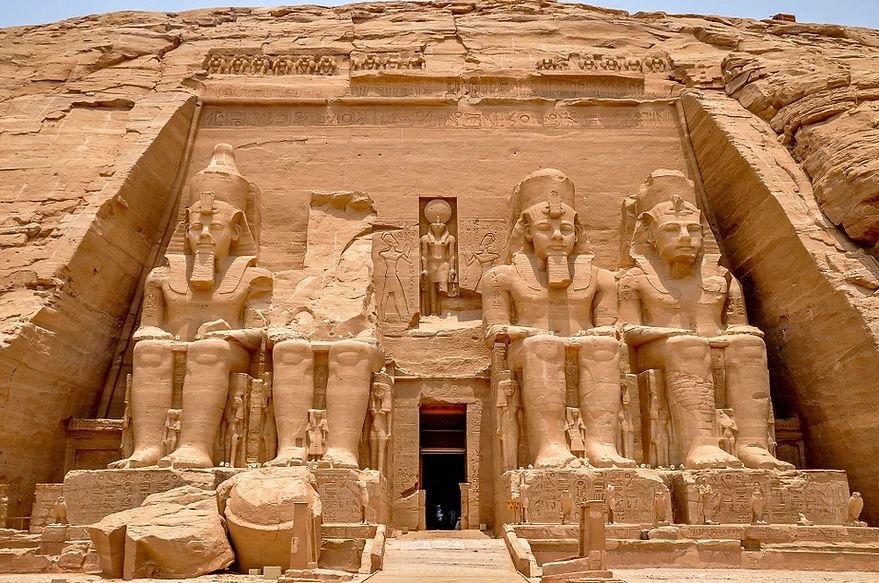
Step back 3,000 years into the age of Pharaoh Ramses II with a breathtaking day trip to the iconic Abu Simbel temples. Departing from Aswan, this 8-hour journey takes you through the scenic desert to the UNESCO-listed “Nubian Monuments.”
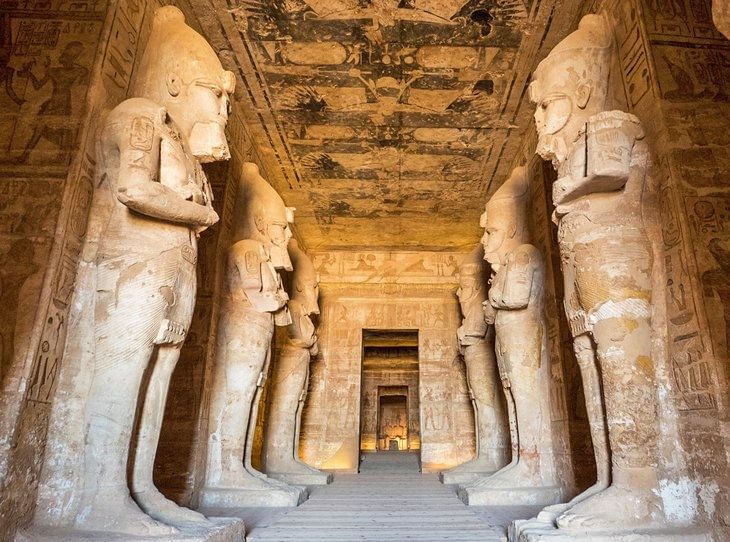
On arrival, your Egyptologist guide will unravel the history of these massive rock temples, detailing their creation, rediscovery in 1813, and their remarkable relocation during the 1960s to escape the rising waters of Lake Nasser. Explore the Great Temple of Ramses II, adorned with intricate carvings and colossal statues, and the nearby Temple of Hathor, dedicated to Queen Nefertari.
Marvel at the well-preserved interiors, vibrant reliefs, and impressive architecture that reflect the grandeur of Ancient Egypt. After your guided introduction, enjoy free time to explore the temples and visit the small visitor center, which highlights the ambitious UNESCO relocation project.
The trip is not only a journey into history but also a visual feast, with the temples set against the striking desert landscape by Lake Nasser. A must-see for history lovers and adventurers alike!
Type in your hotel/accommodation to see how far the attraction or departure point is.
Loading pick up points...

Abu Simbel is truly breathtaking and worth the long journey from Aswan. We attended the evening sound-and-light show first; the storytelling was nice, but the lighting effects were rather weak and didn’t fully bring out the details of the temples. The real highlight came the next morning—we arrived at sunrise, and watching the statues gradually brighten under the soft natural light was unforgettable. By daytime, the carvings, colors, and massive façades look incredible and are perfect for photos. Abu Simbel stands out as one of the most impressive sights in all of Egypt.

This temple is quite amazing, especially when considering it was relocated from its original spot. However, contrary to what others say, I don't feel it's super worth visiting when you consider the remote location and it's hot and crowded inside. If you go try to visit during off peak hours.

We started before sunrise and drove through the Sahara dawn to reach the iconic Abu Simbel Temples, built over 3,000 years ago by Pharaoh Ramses II. Carved into a mountain, they stand as Egypt’s most breathtaking monuments — one dedicated to Ramses himself and another to his beloved Queen Nefertari. In the 1960s, UNESCO relocated the entire complex, cutting it into more than 1,000 blocks to save it from the rising waters of the Aswan High Dam. Standing before those colossal statues was surreal — pure history, power, and devotion in stone. An unforgettable experience — truly worth the journey!

Abu Simbel is absolutely inspirin; one of the true highlights of Egypt! The scale and detail of the temples are breathtaking, and seeing them up close is an unforgettable experience. We visited in the afternoon, around 2:30–4:00 PM, which was the perfect time. Most of the large tour groups coming from Aswan had already left, so the site was pleasantly quiet and easy to explore at our own pace till 5pm when the temples close. There’s an optional golf cart transfer from the ticket office area, but it costs extra. The walk however, only takes about 7 minutes and is manageable. After the visit, there’s a small market area with plenty of stalls selling souvenirs, drinks, ice cream and snacks; even some food options. Prices are on the higher side, but it’s convenient if you need something before heading back.

Abu Simbel is one of Egypt’s most remarkable historic sites, consisting of two massive rock-cut temples located in the village of Abu Simbel in Upper Egypt, near the Sudanese border. The temples stand on the western bank of Lake Nasser, about 230 km south of Aswan, and can be reached most conveniently by a short 45-minute flight from the city. Carved directly into the mountainside during the 13th century BC, under the reign of Pharaoh Ramesses II of the 19th Dynasty, the temples stand side by side in striking grandeur. The Great Temple is dominated by colossal statues of Ramesses II, whose sheer scale and artistry have made them an enduring symbol of ancient Egypt. Inside, wall carvings and sculptures commemorate the pharaoh’s leadership, most notably his victory at the Battle of Kadesh. Next to it stands the smaller temple, dedicated to Queen Nefertari, Ramesses II’s beloved wife, and to Hathor, the goddess of motherhood, love, fertility, and music. Together, these temples reflect both the pharaoh’s devotion to his queen and his piety toward the gods. A visit to Abu Simbel is unforgettable not only for its ancient splendor but also for its modern history. Between 1960 and 1964, the entire complex was carefully relocated to higher ground in a remarkable UNESCO-led engineering project, saving it from submersion caused by the creation of the Aswan High Dam and the resulting Lake Nasser. A visit to the Abu Simbel temple is definitely a must while visiting Egypt.


