



3 hour(s)
English
Included
€ 159.99
€ 147.19


Free cancellation and unlimited rescheduling leads to total flexibility while you plan your travels
Lowest Price Guarantee — no other provider offers this tour for less


The Major War Criminals Trial, held before the International Military Tribunal in Nuremberg from November 20, 1945, to October 1, 1946, marked a pivotal moment in post World War II history. This trial, which brought key Nazi leaders to justice for war crimes and crimes against humanity, took place in Courtroom 600 of the Nuremberg Palace of Justice. As a result, the courtroom gained global notoriety, becoming synonymous with the pursuit of justice in the wake of one of the most devastating conflicts in human history. Following the main trial, from 1946 to 1949, 12 Subsequent Trials were held in the same courtroom, conducted by U.S. military tribunals, focusing on lesser ranking Nazi officials and other individuals involved in Nazi organizations. These trials continued to shape the legal and moral framework for international justice, setting precedents for how the world would address war crimes and crimes against humanity.
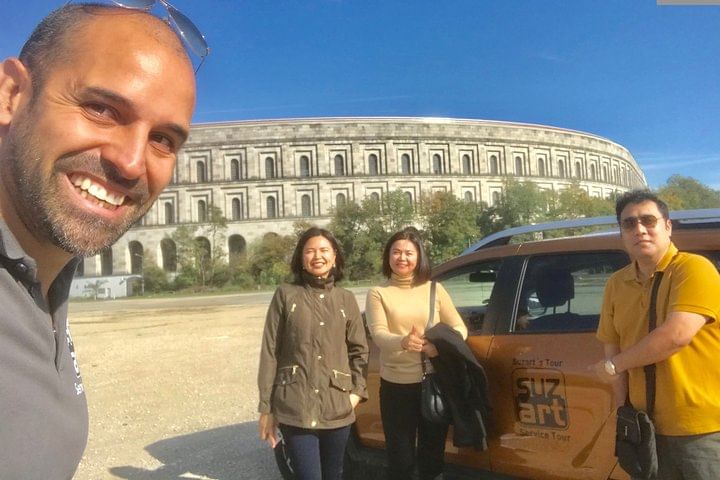
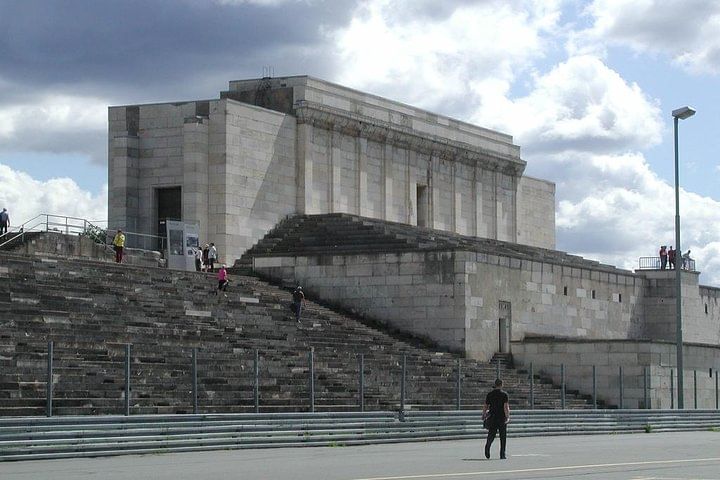
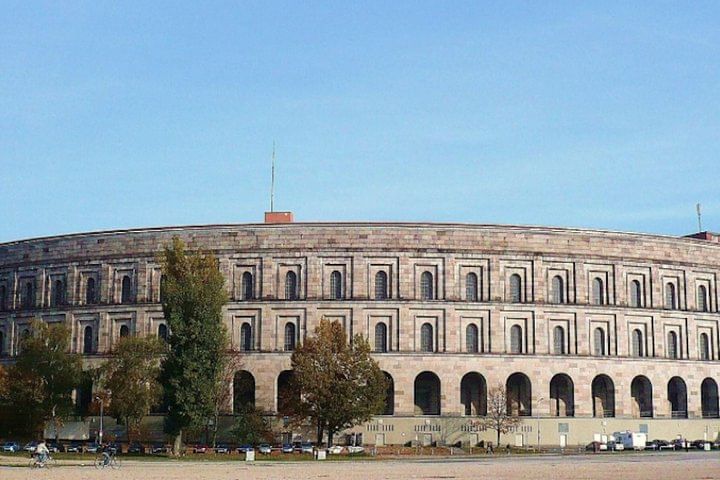
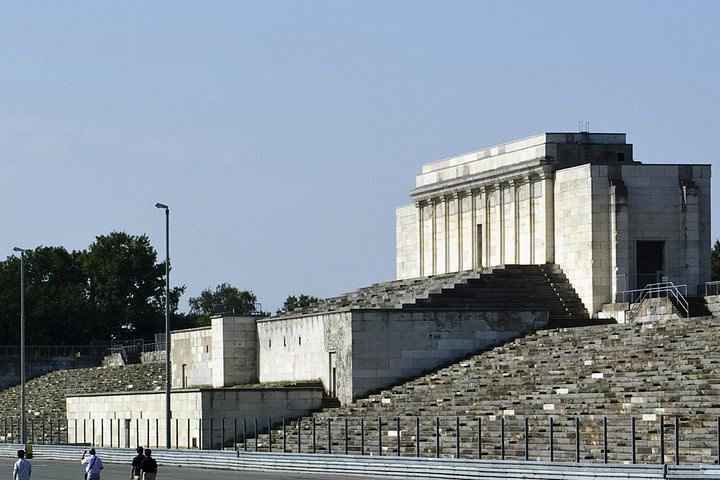
In addition to its role in the post war judicial process, Nuremberg is also a city marked by its deep connections to the National Socialist regime. Still standing today in the southeast corner of Nuremberg, the remains of structures from the former Nazi Party Rally Grounds serve as a haunting testament to the regime’s ambition and megalomania. This 4 square mile area was meticulously designed to be an awe inspiring backdrop for the Nazi rallies, intended to showcase the regime's power and strength not just to Germany, but to the world. The enormous scale of these structures, many of which remain in varying degrees of preservation, stands as a stark reminder of the destructive ideology that once sought to dominate the world. These monumental ruins continue to draw visitors, offering a powerful reflection on the dark history of the 20th century and the enduring lessons learned from that time.
Type in your hotel/accommodation to see how far the attraction or departure point is.
Loading pick up points...

The Memorium Nuremberg Trials is one of those places that really stays with you. The exhibits are incredibly well put together—informative, respectful, and very detailed without feeling overwhelming. Standing in the actual courtroom where the trials took place is surreal and gives you a real sense of the history and importance of what happened there. It’s a solemn but essential visit, and I left with a much deeper understanding of the events and their impact. Absolutely worth visiting if you’re in Nuremberg.

I learned a lot about the logistics of preparing these trials at a time when there where no protocola for this as there was no precedent about wars like this. Very intersting and relevant history for visitora from abroad, do not miss it. there is also an interactive video on the hall where it all happened, is very educational and 3 D, check for schedules so you have chance to see it.

A beautifully designed museum with excellent use of audio commentary. It is definitely worth a visit. The museum is located in the very building where high-ranking Nazi officers were sentenced, which creates a unique and powerful atmosphere. The exhibition extends beyond the courtroom itself, featuring clear information panels and various interactive elements. For students, the museum is also very affordable. I highly recommend it.

Visiting the Memorium Nürnberger Prozesse and stepping into Courtroom 600 was an experience that carried real weight for me. Having read and stufied extensively about the trials and World War II history, standing in the very room where leading figures of the Nazi regime were held accountable was more powerful than words can capture. For me, the Courtroom itself was the highlight; the atmosphere, the history embedded in those walls, and the sense of justice that still resonates decades later. The exhibition leading up to it is thoughtfully curated, and for anyone less familiar with the history, it provides crucial context about the crimes, the defendants, and the lasting legacy of international law shaped here. Even with prior knowledge, it deepened the impact of finally seeing the space in person. This is not just a museum visit, it’s a profound reminder of accountability, justice, and the weight of history.

Must visit places. We spend around 3-4 hours going through the exhibition. The presentation in room 600 was great as well. At the end of the exhibition hall there is a book that contains all the information. You can either walk and go through the exhibition content one by one (including an audio guide) or just take a seat and read the book.


