




5 hour(s)
English
Included
€ 400
€ 368.00


Free cancellation and unlimited rescheduling leads to total flexibility while you plan your travels
Lowest Price Guarantee — no other provider offers this tour for less


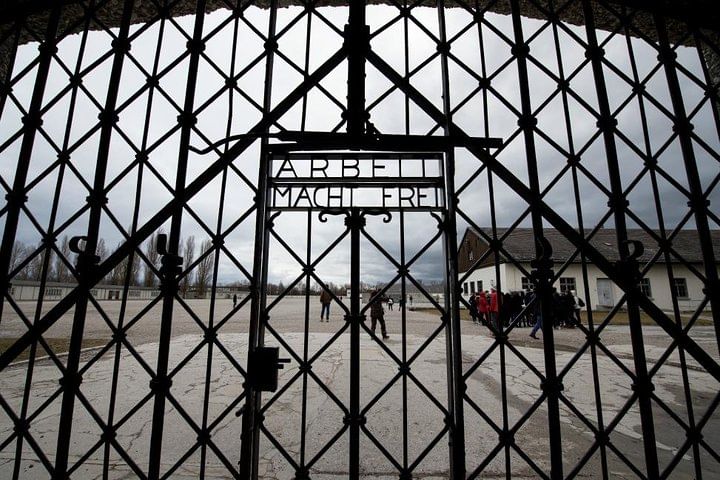
On March 22, 1933, just weeks after Adolf Hitler was appointed Reich Chancellor, the Nazis established Dachau Concentration Camp, located near Munich, Germany. Originally created to imprison political prisoners, Dachau quickly expanded to hold individuals from various persecuted groups, including Jews, Roma, homosexuals, and others deemed undesirable by the Nazi regime. Dachau became the model for the Nazi concentration camp system, influencing the establishment of other camps across Europe. It also functioned as a school of violence, where SS officers were trained in the brutal methods used to control and eliminate prisoners.
During its 12 years of operation, Dachau imprisoned over 200,000 people from across Europe, including political dissidents, intellectuals, and resistance members. In addition to these prisoners, there were many others sent to Dachau’s numerous subsidary camps for forced labor. Tragically, 41,500 individuals were murdered in Dachau due to starvation, disease, forced labor, and systematic executions.
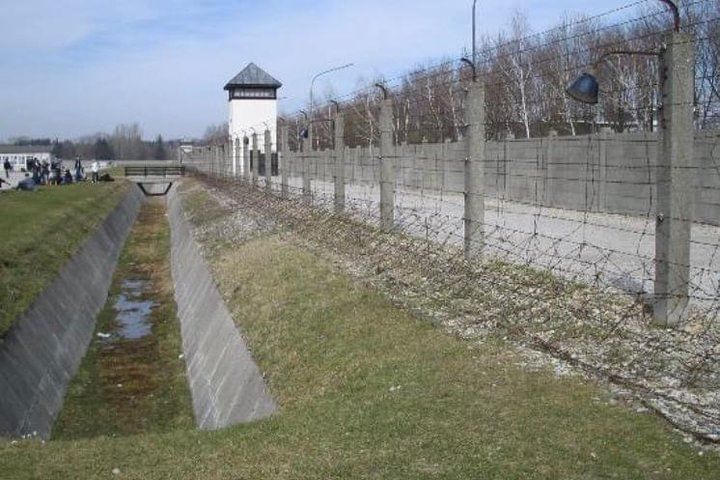
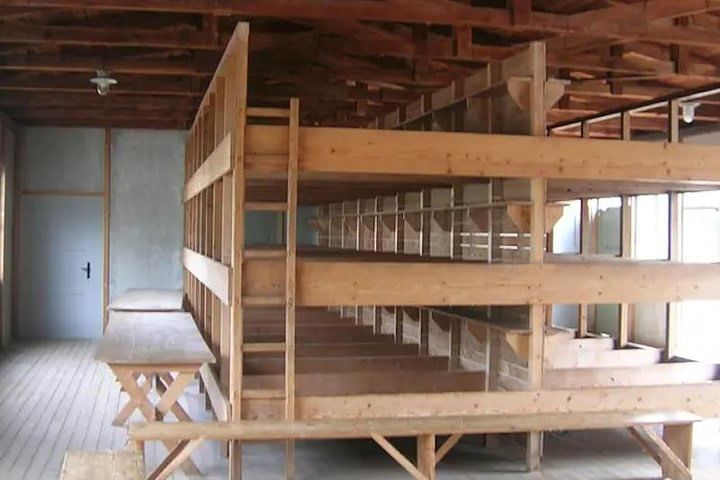
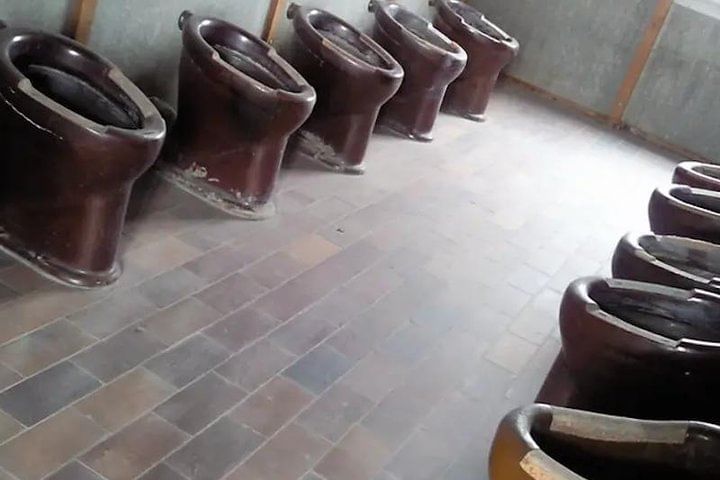
The camp housed various horrific features, including overcrowded barracks, medical experimentation facilities, and a crematorium used to dispose of the bodies of the victims. The brutal conditions, along with the oppressive rule of the SS guards, made Dachau one of the most infamous camps of the Nazi regime.
On April 29, 1945, American forces liberated the camp, rescuing the remaining survivors, many of whom were in a state of severe malnutrition and illness. The liberation of Dachau marked a turning point in the war and brought worldwide attention to the full scale of Nazi atrocities.
Today, Dachau stands as a memorial to the victims of the Holocaust. Visitors can explore the preserved areas of the camp, including the barracks, crematorium, and exhibition halls, where the history of Dachau and the stories of its prisoners are told. The memorial site offers a deeply moving opportunity to learn about the atrocities of the Holocaust, ensuring that the horrors of Dachau and other camps are never forgotten.
Type in your hotel/accommodation to see how far the attraction or departure point is.
Loading pick up points...

A must visit for all who wants to know more about the War and a reminder to us living about what the prisoners went through so that we don't allow history like this to repeat itself. The only concentration camp to be functional during the entire 12 years reign of the Nazi party from 1933 to 1945. Also the first concentration camp to be built and was the training and reeducation place of the SS (Nazi army) for all other concentration camps in Europe.

Was easy to get here from the Central Station Hbf in Munich. Take the S2 train to Bahnhof, Dachau, then take a transfer to 726 bus. Will take you there and back. The visitation center has your free toilette, Cafe with food, drinks, and warm coffee and hot chocolate which was well needed for this cold day. The people at the visitor center was nice and spoke English well. Rental an audio tour guide that was useful, but honestly I enjoyed reading all the materials and posters there. The camp was amazing, and everyone was respectful there. Everyone was speaking low for respect, similar to 911 Memorial Museum in NY.

It feels more like an exhibition than a museum—quite disappointing, to be honest. It should convey the horror of what took place there, but it doesn't. The fact that there are regular houses just behind the fence, where people live, blew my mind. What goes through people's heads to make it okay for them to have a view of a death camp from their window?

We went with a guided tour with Radius Tours. From Munich, we traveled by train and bus to get to the memorial site. We were with 'German Mark' ...not to be confused with the other Mark 😉 and he provided a lot of insight to the history and development of this memorial site. We came to Munich for Oktoberfest and spent the following morning here. It was sobering, though provoking, impactful, and necessary. You could easily spend the majority of the day here. They do provide self guided audio tours. Someone that we met at our hotel did the audio tour and enjoyed the content. You get a lot of content in the various areas and it's great to see that they are utilizing the space to remember what happened there. It was a very powerful experience.

Absolutely incredibly powerful place to visit. It’s very well presented and managed - combination of extensive museum exhibits with text (multiple languages), artifacts, real life stories, videos, and pictures. Be sure to read as much as possible as you tour. There are memorials and public art throughout the site that represent many different backgrounds of the victims impacted. Careful reconstruction has been done on a few buildings, some original buildings remain, and much of the open ground is there from where original buildings once stood. We spent nearly 4.5 hours there and could have easily spent longer as learned lots. Audio guides in different languages are available.


