





7 hour(s)
English
Included


Free cancellation and unlimited rescheduling leads to total flexibility while you plan your travels
Lowest Price Guarantee — no other provider offers this tour for less


On March 22, 1933, just weeks after Adolf Hitler was appointed Reich Chancellor, the Nazis established Dachau Concentration Camp, located near Munich, Germany. Initially intended to hold political prisoners, it soon expanded to house individuals from all walks of life, including Jews, Roma, homosexuals, and others deemed undesirable by the Nazi regime. Dachau became the model for the entire concentration camp system and was considered a school of violence for the SS, the paramilitary force responsible for carrying out Nazi policies. Over the course of its 12 years of operation, Dachau imprisoned more than 200,000 people from all over Europe, with 41,500 victims perishing from starvation, disease, forced labor, and brutal treatment.
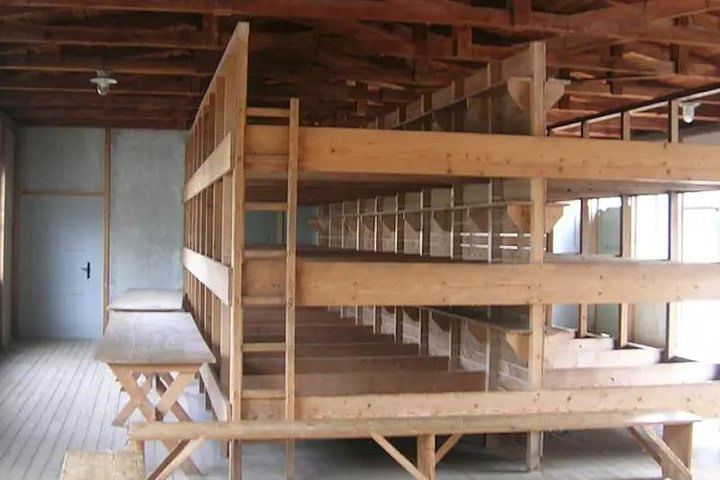
The camp played a significant role in the Holocaust, laying the groundwork for future atrocities committed in other concentration and extermination camps. Prisoners at Dachau were subjected to horrific conditions, including overcrowded barracks, grueling forced labor, and medical experimentation. The SS guards, who were trained in cruelty and brutality at Dachau, became responsible for maintaining the terror across the broader network of camps. The camp also housed a crematorium, and the remains of many victims were disposed of there.
On April 29, 1945, American forces liberated Dachau, rescuing the remaining survivors, many of whom had been left in a state of extreme malnutrition and illness. The liberation of Dachau marked a pivotal moment in history, as it symbolized the end of the Nazi concentration camp system and the beginning of the world’s understanding of the full scale of the Holocaust.
A visit to On March 22, 1933, just weeks after Adolf Hitler was appointed Reich Chancellor, the Nazis established Dachau Concentration Camp, located near Munich, Germany. Initially intended to hold political prisoners, it soon expanded to house individuals from all walks of life, including Jews, Roma, homosexuals, and others deemed undesirable by the Nazi regime. Dachau became the model for the entire concentration camp system and was considered a school of violence for the SS, the paramilitary force responsible for carrying out Nazi policies. Over the course of its 12 years of operation, Dachau imprisoned more than 200,000 people from all over Europe, with 41,500 victims perishing from starvation, disease, forced labor, and brutal treatment.
The camp played a significant role in the Holocaust, laying the groundwork for future atrocities committed in other concentration and extermination camps. Prisoners at Dachau were subjected to horrific conditions, including overcrowded barracks, grueling forced labor, and medical experimentation. The SS guards, who were trained in cruelty and brutality at Dachau, became responsible for maintaining the terror across the broader network of camps. The camp also housed a crematorium, and the remains of many victims were disposed of there.
On April 29, 1945, American forces liberated Dachau, rescuing the remaining survivors, many of whom had been left in a state of extreme malnutrition and illness. The liberation of Dachau marked a pivotal moment in history, as it symbolized the end of the Nazi concentration camp system and the beginning of the world’s understanding of the full scale of the Holocaust.
Type in your hotel/accommodation to see how far the attraction or departure point is.
Loading pick up points...


